

By using our website, you agree to the use of cookies as described in our Cookie Policy
How Do Dealer Vehicle Transports in Carthage Work?
Most dealerships operate on tight margins and tighter timelines. Inventory doesn't magically appear on the lot — it gets moved, loaded, tracked, and delivered by professionals who do this for a living. In Carthage, dealer vehicle transports are the backbone of keeping showrooms stocked and customers happy. If you think it's just a matter of throwing keys to a driver and hoping for the best, you're missing the entire operation.
The process involves coordination, documentation, specialized equipment, and constant communication. Every vehicle that rolls off a carrier represents a transaction, a timeline, and a promise to someone waiting on the other end. Screw up the transport, and you screw up the sale. That's why understanding how this system works matters — not just for dealers, but for anyone who's ever wondered how their new ride made it from the auction block to the front row.
Getting the Ball Rolling
Transport starts with a need. Maybe the dealership just won't inventory from the manufacturer. Maybe they picked up a fleet at auction. Maybe they're swapping stock with another lot across the state. Whatever the reason, the dealer reaches out to a transport company and lays out the details.
This isn't a casual phone call. Both sides need to be clear on what's moving, when it's moving, and where it's going. The transport company needs vehicle counts, makes, models, and any special handling instructions. High-value cars get different treatment than trade-ins. Timing matters too — if the dealer promised a customer delivery by Friday, the carrier better not show up Monday.
Prepping for the Haul
Before anything gets loaded, every vehicle gets checked. Fluids are topped off. Batteries are confirmed charged. Any personal belongings get pulled out — because the last thing anyone needs is someone's gym bag showing up three states away. The condition of each vehicle is documented with photos and notes.
This step isn't about being paranoid. It's about creating a baseline. If a car leaves the lot with a scratch, everyone knows it was there before transport. If it shows up with new damage, that's a different conversation. Clean documentation protects both the dealer and the carrier from disputes that waste time and money.
Loading Up Without Screwing Up
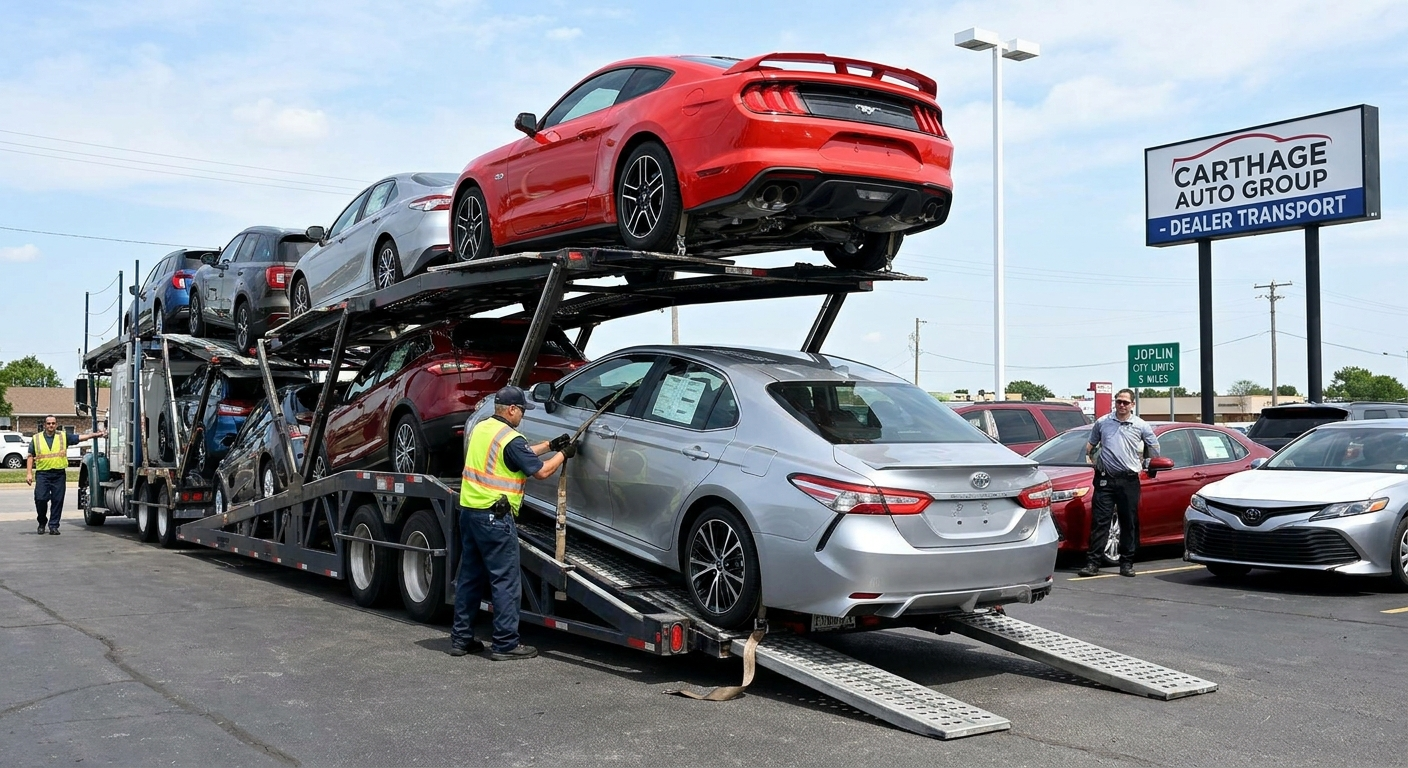
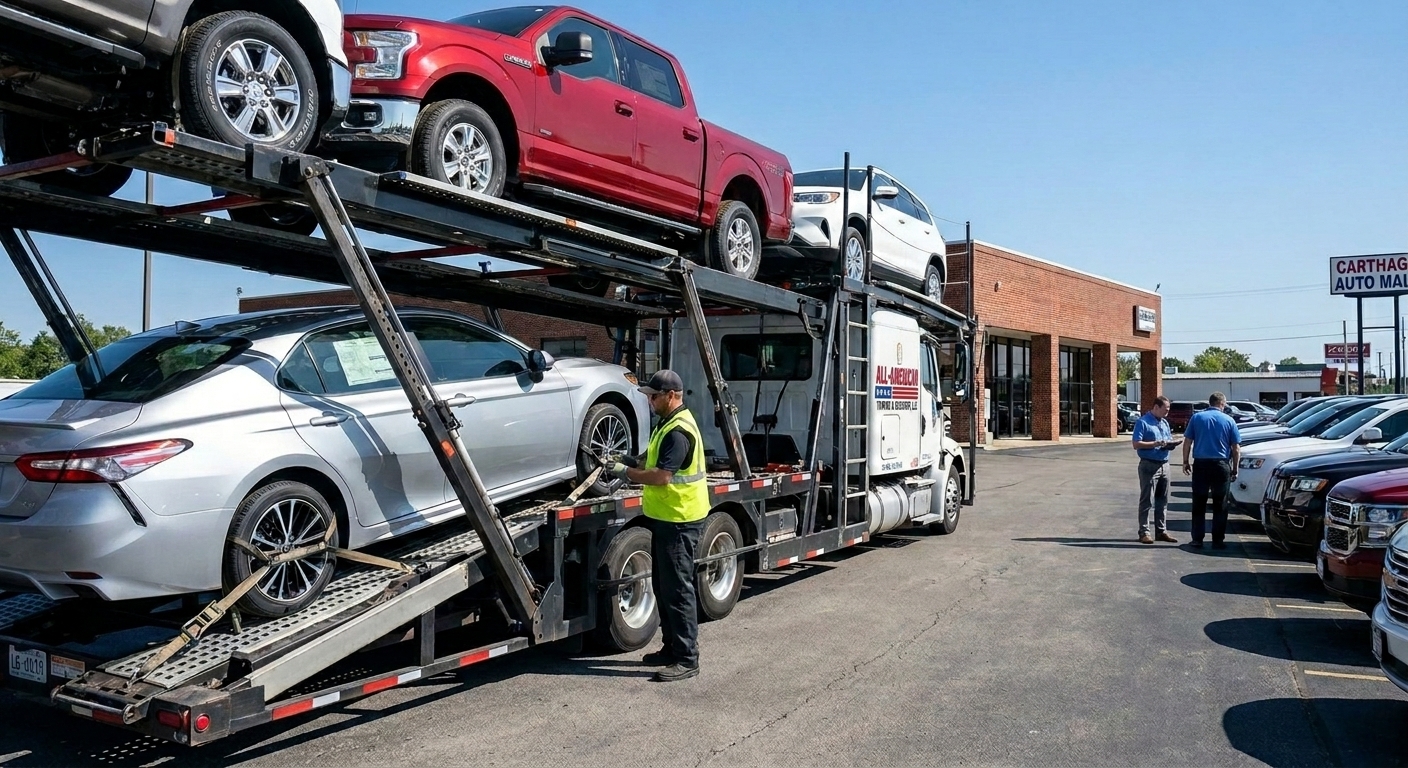
When the carrier arrives, it's game time. Drivers don't just back up and hope for the best — they've done this thousands of times. Open carriers handle the bulk of standard inventory. Enclosed trailers get reserved for luxury models or anything that can't afford to pick up road grime on the highway.
Each vehicle gets secured with straps and wheel chocks. Nothing shifts during transit. Nothing rolls. The goal is to deliver each car in the exact same condition it left, and that starts with proper loading. Experienced drivers know the weight distribution, the angles, and the sequence that keeps everything stable for hundreds of miles.
On the Road and On the Grid
Once the carrier pulls out, the vehicles aren't just disappearing into the wind. Most reputable transport companies offer real-time tracking. Dealers can see where their inventory is, when it's expected to arrive, and whether there are any delays.
This visibility isn't a luxury — it's a necessity. Dealerships plan around delivery schedules. Sales teams make promises to customers based on expected arrival times. If a carrier is running late, the dealer needs to know so they can adjust. Transparency keeps everyone on the same page and prevents last-minute scrambles.
Unloading and the Final Check
Arrival doesn't mean the job's done. Every vehicle gets unloaded carefully, then inspected against the original condition report. Dealers walk the lot, checking for dings, scratches, mechanical issues, or anything that wasn't there before transport.
If something's off, it gets documented immediately. Most transport companies are insured, but claims only work if you can prove the damage happened in transit. That's why the inspection process is thorough and non-negotiable. Once everything checks out, the vehicles get prepped for the showroom or delivered to the customer who's been waiting.
Why Dealers Don't Handle This Themselves
You might wonder why dealerships don't just assign someone to drive vehicles back from auctions or manufacturers. The answer is simple — it's inefficient and risky. Professional transport companies have the equipment to move multiple vehicles at once. They've got the insurance to cover high-value cargo. And they've got the experience to navigate logistics, regulations, and tight deadlines without breaking a sweat.
Trying to DIY dealer transport means tying up staff, racking up mileage, and exposing the dealership to liability. It's not worth the headache when professionals can do it faster, safer, and more cost-effectively.
What This Means for the Showroom
Efficient transport keeps inventory flowing. Dealers can stock their lots with fresh vehicles, fulfill customer orders on time, and avoid the dreaded "sorry, we're still waiting on that car" conversation. For customers, it means more selection, faster delivery, and confidence that their new vehicle wasn't treated like a rental on the way over.
The entire system depends on coordination. When transport runs smoothly, the dealership runs smoothly. When it doesn't, everything backs up — sales stall, customers get frustrated, and margins shrink.
Picking the Right Hauler
Not every transport company delivers the same level of service. Dealerships in Carthage need partners who show up on time, handle vehicles with care, and communicate clearly throughout the process. Licensing and insurance aren't optional — they're the baseline.
Here's what separates the pros from the pretenders:
- Proven track record with dealer clients
- Proper commercial licensing and up-to-date insurance
- Real-time tracking and responsive communication
- Specialized equipment for different vehicle types
- Transparent pricing with no surprise fees
Common Pitfalls and How to Avoid Them
Even with professionals involved, things can go sideways if dealers aren't paying attention. Here are the mistakes that cause the most headaches:
- Skipping the pre-transport inspection and losing leverage if damage occurs
- Failing to communicate special handling needs for high-value inventory
- Choosing the cheapest carrier without vetting their credentials
- Not tracking shipments and getting blindsided by delays
- Assuming all transport companies carry the same insurance coverage
When Timing Is Everything
Speed matters, but it's not the only factor. A carrier that promises same-day delivery but damages half the load isn't doing anyone favors. The best transport partners balance urgency with care, hitting deadlines without cutting corners.
Dealers with high turnover or seasonal spikes need carriers who can scale up quickly. Auction wins, manufacturer shipments, and dealer swaps all come with their own timelines. The right transport company adapts to the dealer's rhythm, not the other way around.
The Documentation That Keeps You Covered
Every successful transport leaves a paper trail. Bills of lading, inspection reports, and delivery confirmations create accountability on both sides. If something goes wrong, documentation is the only thing that matters.
Here's what should be in every transport file:
- Signed pickup and delivery receipts
- Pre-transport condition photos and notes
- Itemized vehicle list with VINs
- Proof of insurance from the carrier
- Tracking logs and delivery confirmations
What Happens When Things Go Wrong
Damage claims are rare with reputable carriers, but they do happen. When they do, the process moves faster if you've got your records in order. Most transport companies have claims departments that handle disputes quickly — assuming the dealer can prove the damage occurred in transit.
That's where the pre-transport inspection pays off. Without baseline documentation, it's your word against theirs. With it, you've got leverage and a clear path to resolution.
The Bigger Picture for Dealers
Vehicle transport isn't glamorous, but it's essential. Every car on the lot got there because someone coordinated the logistics, loaded it carefully, tracked it in transit, and delivered it intact. Dealers who treat transport as an afterthought end up with delayed sales, frustrated customers, and inventory sitting in the wrong place.
The best dealerships in Carthage know their transport partners by name. They've built relationships with carriers who understand their needs, respect their timelines, and deliver results. That's not luck — it's strategy. And it's the difference between running a dealership and running a tight ship.
When you need reliable towing and transport services that keep your dealership's inventory moving on schedule, contact us today. Our team at All American Towing understands the demands of professional vehicle services and delivers the reliability you need to keep your business running smoothly.
Let’s Keep Your Dealership Moving
We know how critical it is to keep your inventory flowing and your customers satisfied. When you’re ready to partner with a team that treats your vehicles with the care and urgency they deserve, let’s talk. Call us at 417-609-2044 or get roadside assistance and let’s make sure your next transport is handled right from start to finish.
‹ Back
Recent Posts
-
How Do Dealer Vehicle Transports in Carthage Work?
October 19, 2026
-
When Do You Need a Jump Start in Neosho Instead of a Tow?
October 5, 2026
-
Can a Tow Truck in Carthage Move Your Car Without Damage?
September 21, 2026
-
When Should You Call for a Winch Out Service in Neosho?
September 7, 2026
-
Do You Need Roadside Assistance in Carthage or a Tow Truck?
August 24, 2026