


By using our website, you agree to the use of cookies as described in our Cookie Policy
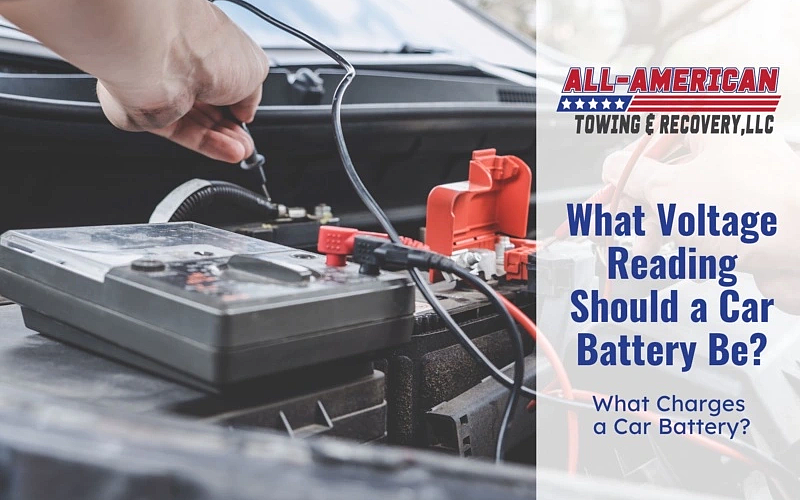
What Voltage Reading Should a Car Battery Be?
Understanding what voltage reading a car battery should be is essential for every driver. A healthy car battery typically shows between 12.6 and 12.8 volts when the engine is off and fully charged. When the engine is running, your battery should read between 13.7 and 14.7 volts as the alternator charges it. These numbers tell you whether your battery has the power to start your vehicle reliably and keep all your electrical systems running smoothly.
Why Battery Voltage Matters
Your car battery does more than just start your engine. It powers everything from your headlights and radio to your vehicle's computer systems. When the voltage drops below 12.4 volts with the engine off, your battery is only about 75% charged. At 12 volts, it's nearly depleted and may struggle to start your vehicle, especially in cold weather. Proper battery maintenance can extend your vehicle's efficiency and prevent unexpected breakdowns.
What Charges a Car Battery?
Your car's alternator charges the battery while the engine runs. As you drive, the alternator converts mechanical energy into electrical energy, replenishing the power your battery used to start the engine and run accessories. However, short trips and frequent stop-and-go driving don't always give the alternator enough time to fully recharge the battery, which can gradually weaken the car battery over time.
The Auto-Stop Feature Warning
If your vehicle has an auto-stop or start-stop feature that shuts off the engine at stoplights to save fuel, you need to monitor your battery voltage more closely. Even if your car starts fine when you leave your home, a battery hovering around 12.2 volts might not have enough power to restart after an automatic shutdown. You could find yourself stuck at a traffic light or in a drive-thru line with a vehicle that won't restart — a situation that requires a jump start and can turn a quick errand into an hour-long ordeal. This makes monitoring your battery health especially important for modern vehicles.
Will a Car Run Without a Battery?
Technically, yes. If the alternator is functioning properly, your car can run without a battery once it's started. However, this is extremely risky and not recommended. The battery acts as a voltage stabilizer for your vehicle's electrical system. Without it, voltage spikes from the alternator can damage sensitive electronic components, including your vehicle's computer modules.
When To Change a Car Battery
Most car batteries last three to five years, but several factors affect their lifespan. You should consider replacing your battery when voltage consistently reads below 12.4 volts after charging, if your vehicle cranks slowly when starting, or if your battery is more than four years old. Extreme temperatures, frequent short trips, and leaving accessories on when the engine is off can all shorten battery life.
Regular voltage checks with a multimeter take just minutes and can save you from the stress and danger of an unexpected breakdown. If you're unsure about your battery's condition, have it tested by a professional.
If you find yourself stranded with a dead battery or need roadside assistance any time of day or night, contact All American Towing and Recovery for fast, reliable help you can count on.
‹ Back
Recent Posts
-

How Long Can You Drive on a Spare Tire?
February 25, 2026
-
What Voltage Reading Should a Car Battery Be?
January 23, 2026
-

Does Jump Starting a Car Damage the Battery?
December 19, 2025
-

What's the Difference Between Stalling Out and Dying?
December 17, 2025
-
Why Is My Battery Light On In My Car? Troubleshooting & Solutions
November 19, 2025